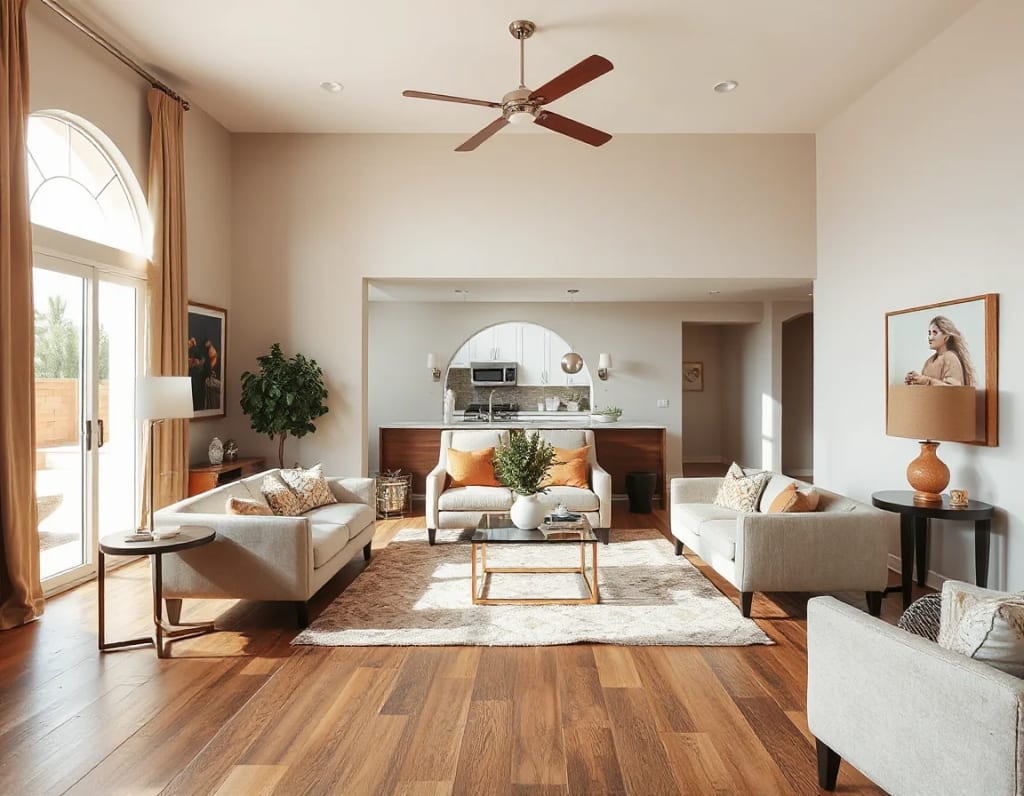
How Home Staging Can Help Scottsdale Sellers Stand Out
Why Thoughtful Staging Matters in Scottsdale
In a market where buyers often scroll through dozens of listings before scheduling a single showing, presentation can make a measurable difference. A staged home helps photos look sharper, rooms feel more intentional, and the overall property story come through more clearly. For Scottsdale sellers, that matters even more because buyers are often comparing architecture, finishes, outdoor living, and move-in readiness across a wide range of price points.
Home staging is not about disguising a property. It is about highlighting what is already there. The goal is to help buyers understand scale, flow, and function the moment they see the listing online or step through the front door. When a home feels bright, open, and easy to imagine living in, it can stand out in a competitive search without relying solely on price reductions.
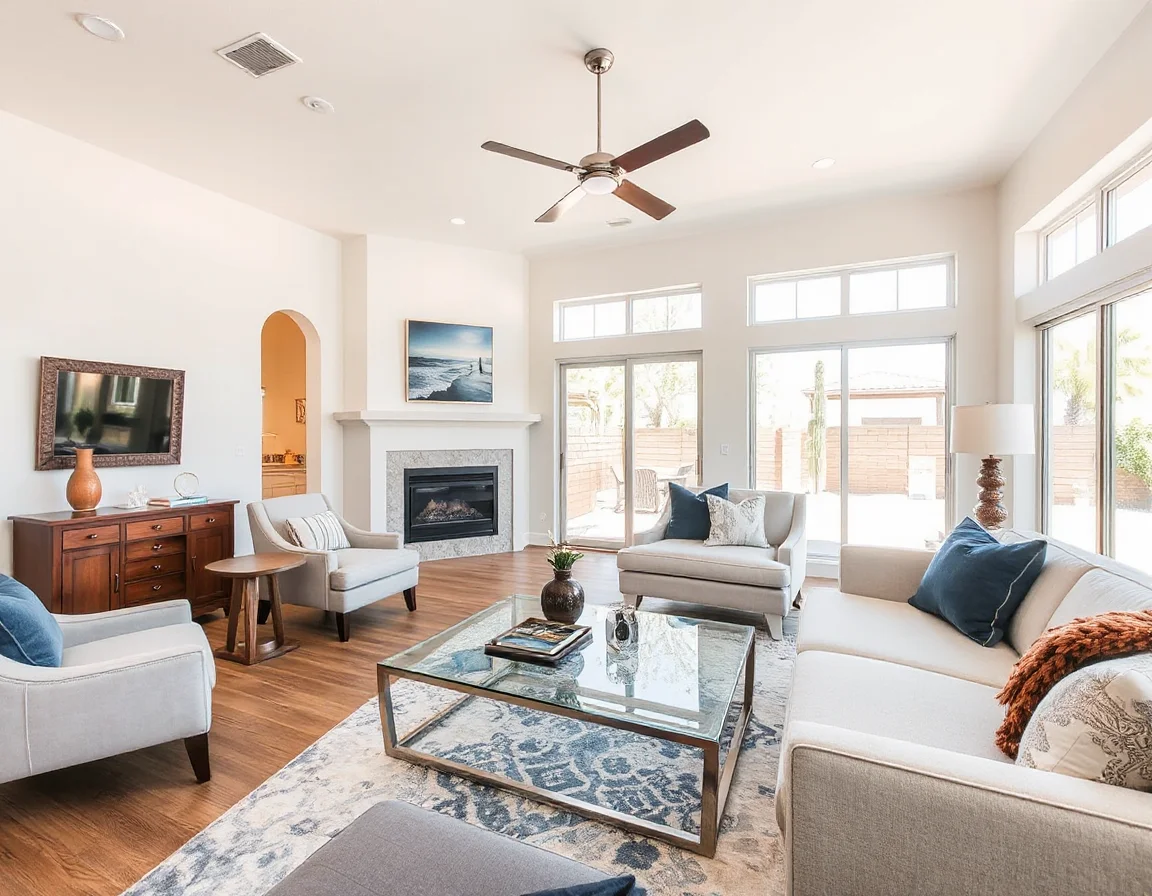
Scottsdale homes often offer features that deserve careful emphasis: open great rooms, large windows, clean indoor-outdoor transitions, patios, pools, and updated kitchens. Staging helps direct attention toward those strengths. A thoughtfully arranged seating area can show how a large room lives comfortably. Edited decor can make premium finishes feel more current. Even something as simple as balancing light, texture, and furniture placement can make a home appear more spacious and polished in both photos and in-person tours.
Because buyer expectations can be high in the greater Phoenix metro, sellers benefit from a strategy that goes beyond basic cleaning. Staging works best when paired with market awareness. Knowing whether buyers are responding to modern simplicity, warm desert-inspired tones, or a more transitional look can help shape decisions that fit the home and its likely competition. That is where experienced guidance becomes especially valuable.
What Buyers Notice First
Most buyers form an impression quickly, and that impression is often built around a handful of details. They notice whether the entry feels welcoming, whether the main living area appears proportionate, and whether the home feels maintained. They also tend to focus on kitchens, primary bedrooms, bathrooms, and outdoor entertaining spaces. If those areas feel cluttered, empty in the wrong way, or visually dated, buyers may assume the property needs more work than it actually does.
Effective staging addresses those early reactions. It can soften awkward layouts, define flexible spaces, and create a sense of continuity from room to room. In a home office niche, for example, a simple desk and chair can clarify purpose. In an oversized primary suite, a seating vignette can keep the room from feeling unfinished. In the kitchen, clearing counters and adding restrained styling can help buyers focus on cabinetry, workspace, and natural light instead of distractions.
Outdoor areas deserve the same attention. In Scottsdale, covered patios, pool decks, and backyard gathering spaces are often a major part of the property appeal. Arranging outdoor furniture, refreshing cushions, and keeping lines of sight open can make those spaces feel like natural extensions of the home. When listing photos show a cohesive interior and exterior experience, the property often feels more complete.
How a Staging Strategy Supports Marketing

Staging is closely tied to marketing performance because most buyers begin their search online. Clean, well-composed rooms photograph better and encourage buyers to linger on a listing. That extra attention can lead to more saves, more showing requests, and stronger engagement in the crucial first days on the market.
It also helps a property communicate value. If a room is empty, buyers may struggle to gauge size. If it is overfilled, the room can feel smaller than it is. Staging finds the middle ground. It creates enough context for buyers to understand how the home works while still leaving visual breathing room. That balance supports professional photography, video, and social media presentation in a way that feels elevated rather than overdone.
For sellers, this can translate into practical benefits: fewer overlooked features, more compelling first impressions, and a listing that feels ready for attention. In some cases, staging may also reduce the amount of time buyers need to emotionally connect with a property. Instead of spending the tour trying to decode the layout, they can focus on how the home fits their goals.
That does not mean every property needs full-service furniture installation. Sometimes the best approach is a targeted plan: editing belongings, rearranging existing pieces, adding light accessories, or emphasizing one or two high-impact spaces. The right level of staging depends on the home, the price point, and the surrounding inventory.
Practical Steps Sellers Can Take Before Listing
A strong staging plan usually starts with simplification. Remove excess furniture that interrupts flow, clear surfaces so architectural details are visible, and store personal items that can distract from the home itself. Fresh paint in a neutral tone, updated lighting, and crisp linens can also make a noticeable difference without requiring a major renovation budget.
Sellers should also think about maintenance through the buyer’s lens. Small issues like burned-out bulbs, worn caulk, sticking doors, or scuffed baseboards can chip away at the overall impression. Addressing those details before photography supports the polished look that staging is meant to create. Clean windows, tidy landscaping, and an orderly entry sequence matter too, especially in a place where natural light and outdoor living are important selling features.
A staged home should feel intentional, not crowded. The most effective rooms are often the ones with less in them, not more. Texture, scale, and placement matter more than decoration for decoration’s sake. That is one reason a seller can benefit from working with an agent who understands both local market expectations and the visual side of preparation.
A Scottsdale Seller Advantage
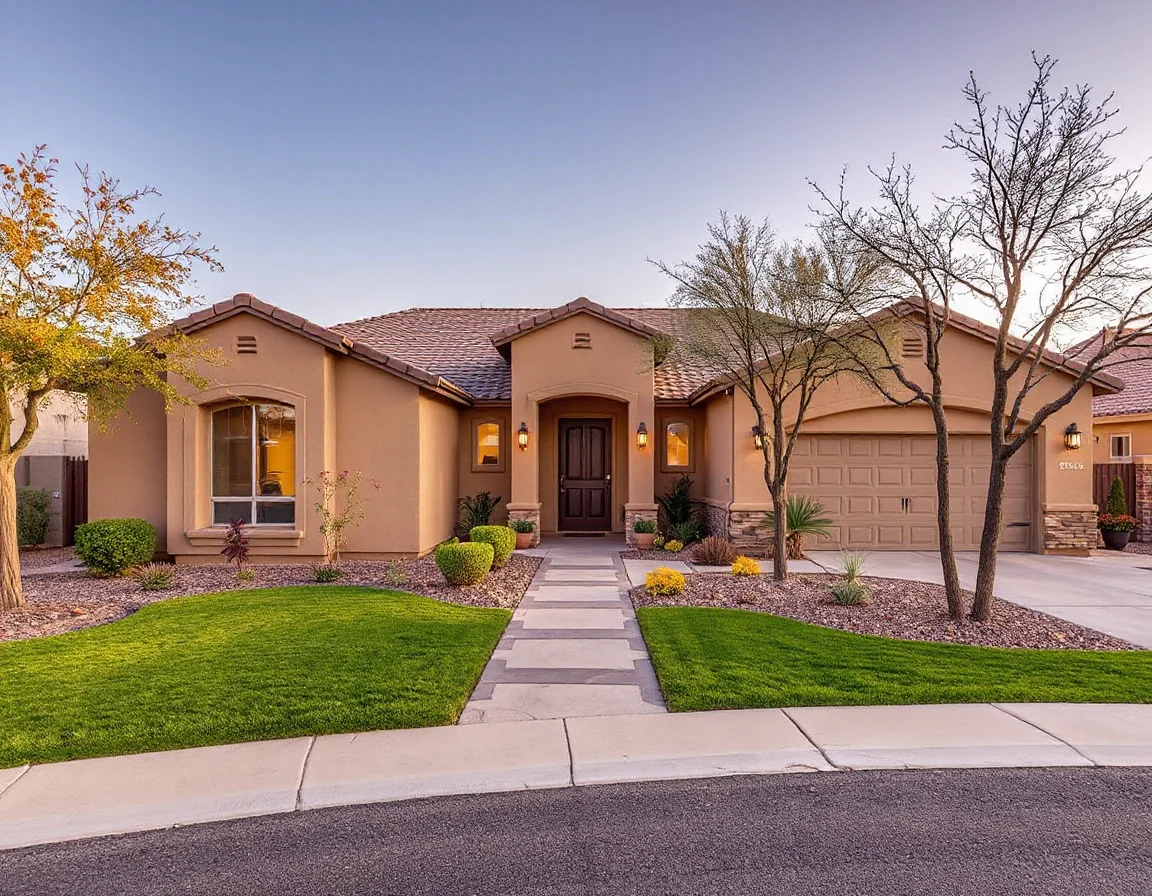
With personalized service for buyers and sellers, deep market insight across Scottsdale and the Valley of the Sun, and certification as a home stager, Gina Jafari of HomeSmart brings a useful combination to the listing process. That blend of real estate strategy and staging knowledge can help sellers focus their time and budget where it counts most. Rather than guessing what to change, sellers can approach preparation with a clear plan tied to market positioning.
In a visually driven real estate environment, staging is one of the most practical tools available to help a listing rise above the crowd. It supports better marketing, clearer storytelling, and a more memorable showing experience. For Scottsdale sellers looking to make a strong first impression, thoughtful staging is not just an aesthetic choice. It is a smart step toward presenting the home at its best.