Scottsdale vs. Phoenix vs. Paradise Valley: Choosing the Right Fit
Scottsdale, Phoenix, or Paradise Valley? Start With How You Want to Live
Choosing between these three well-known Valley locations is less about picking a “best” city and more about matching your priorities with the right setting. Some buyers want a highly active urban environment with easy access to employment centers, arts venues, and a wide range of housing options. Others are drawn to polished resort-style surroundings, mountain views, or a quieter residential feel with larger lots and distinctive architecture. When you compare Scottsdale, Phoenix, and Paradise Valley side by side, the differences become clearer—and so does the path toward a home that fits your goals.
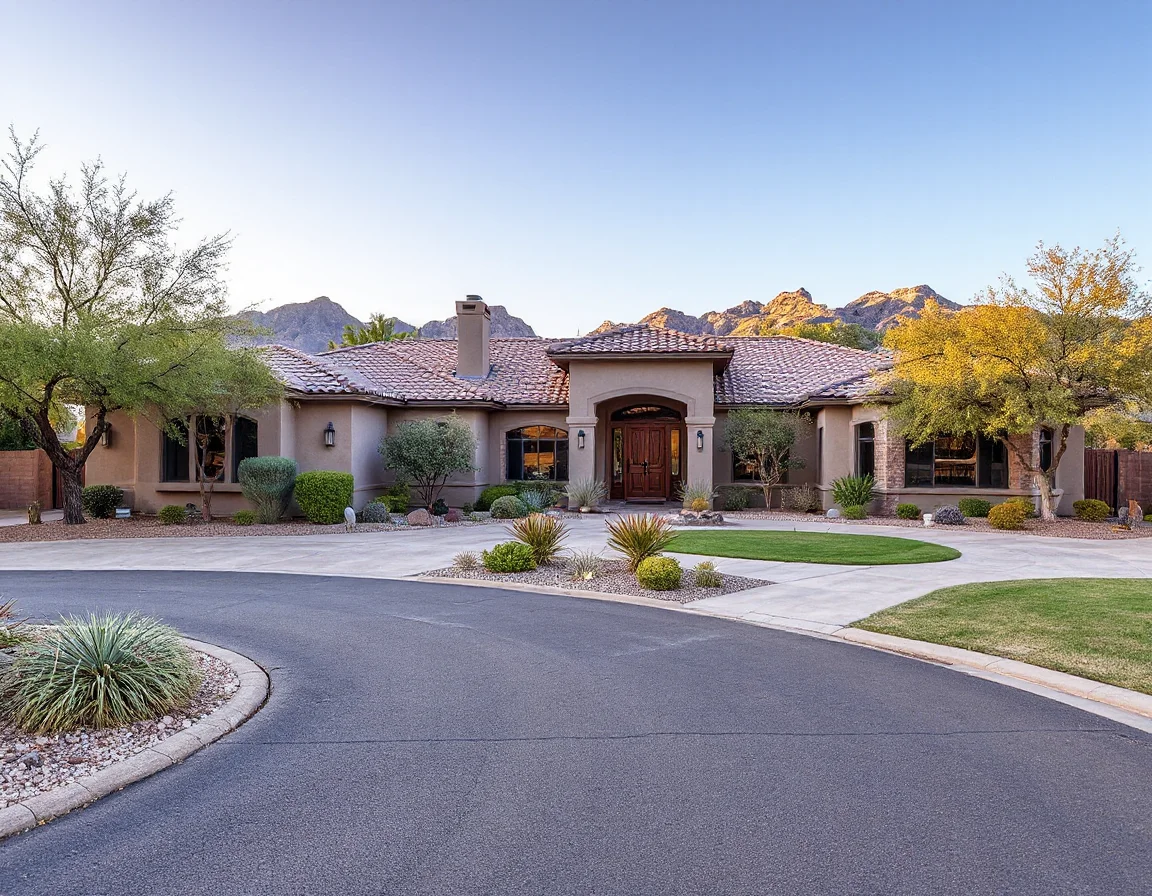
Scottsdale often appeals to buyers looking for a blend of convenience, design, and recreation. The city offers a broad range of neighborhoods, from low-maintenance condos near entertainment districts to golf-oriented communities, gated enclaves, and custom homes with desert views. Many parts of Scottsdale are known for polished streetscapes, trail access, golf courses, and a strong lineup of dining and retail destinations. For buyers who want a residential setting with plenty to do nearby, Scottsdale can provide that balance between everyday comfort and a more elevated atmosphere.
Real estate in Scottsdale also spans a wide pricing range, which makes it easier to compare options by lifestyle rather than by city name alone. South Scottsdale may offer homes with a more established feel and access to employment corridors, while North Scottsdale is often associated with newer construction, luxury properties, and proximity to hiking areas and golf amenities. If presentation matters to you, this is also a market where staging, condition, and updated finishes can make a notable difference in value perception. That is especially true in competitive segments, where buyers may compare several homes with similar square footage but very different levels of polish.
Phoenix, by contrast, is broader, more varied, and full of distinct pockets with their own character. As one of the nation’s largest cities, it offers everything from historic neighborhoods and contemporary infill housing to townhomes, mid-rise condos, and larger suburban-style properties. Buyers who prioritize access to major employment centers, sports venues, museums, airports, and university-adjacent areas often appreciate Phoenix for its reach and flexibility. It can be a strong choice for people who want more inventory to choose from and who value being connected to multiple parts of the metro.
How the Day-to-Day Experience Changes by Location
The day-to-day rhythm is often what separates these markets most clearly. In Phoenix, your options for commuting patterns, home styles, lot sizes, and neighborhood layouts are extensive. Some areas are highly walkable and close to cultural destinations, while others feel more residential and spread out. That variety can be a major advantage, especially for buyers who want to compare older homes with architectural character against newer communities with modern floor plans and energy-efficient features. Phoenix also offers a wider mix of price points, which can open the door to more strategic trade-offs between location, condition, and space.

Paradise Valley tends to stand apart because of its scale, exclusivity of housing stock, and emphasis on privacy. The community is known for larger parcels, custom estates, mountain backdrops, and a lower-density residential environment. Commercial activity is limited compared with neighboring cities, so the setting feels more intentionally residential. For buyers who value architectural distinction, generous setbacks, and a more secluded atmosphere while still remaining close to Scottsdale and central Phoenix, Paradise Valley offers a unique lane within the Valley of the Sun.
That said, the trade-offs matter. Paradise Valley generally comes with a higher price threshold and less inventory, so buyers may need patience and a clear list of priorities. Scottsdale usually lands in the middle for many home searches: more inventory and activity than Paradise Valley, but often with a stronger luxury presence and resort-adjacent feel than many parts of Phoenix. Phoenix can deliver outstanding opportunities, especially for buyers who are open to exploring specific neighborhoods rather than focusing only on citywide reputation. The smartest approach is to evaluate not just price, but also lot size, renovation needs, HOA structure where applicable, access to trails or shopping, and how each property supports your routine.
Schools, recreation, and amenities also vary by location and neighborhood, so it helps to think in hyperlocal terms. Across these areas, buyers can find access to public and private school options, golf courses, hiking trails, parks, arts venues, and a highly developed dining scene. Scottsdale is often associated with destination dining, golf, and event-driven energy. Phoenix offers impressive breadth, from established arts districts to major league sports and expanding mixed-use hubs. Paradise Valley delivers close proximity to many of those same amenities while maintaining a more tucked-away residential identity. In other words, these markets overlap geographically, but they can feel very different once you begin touring homes.
What the Real Estate Market May Mean for Your Search
From a market perspective, buyers and sellers should expect each area to respond differently to inventory levels, interest rates, and seasonal demand. Phoenix’s size means trends can vary significantly by neighborhood and housing type. Condo and townhome activity may tell one story, while move-up single-family homes tell another. Scottsdale often draws attention from both local buyers and out-of-area purchasers, which can influence pricing, staging standards, and the pace of offers in select segments. Paradise Valley, with its smaller inventory and luxury concentration, can move on a different timetable altogether, where presentation, privacy, and one-of-a-kind features carry outsized importance.
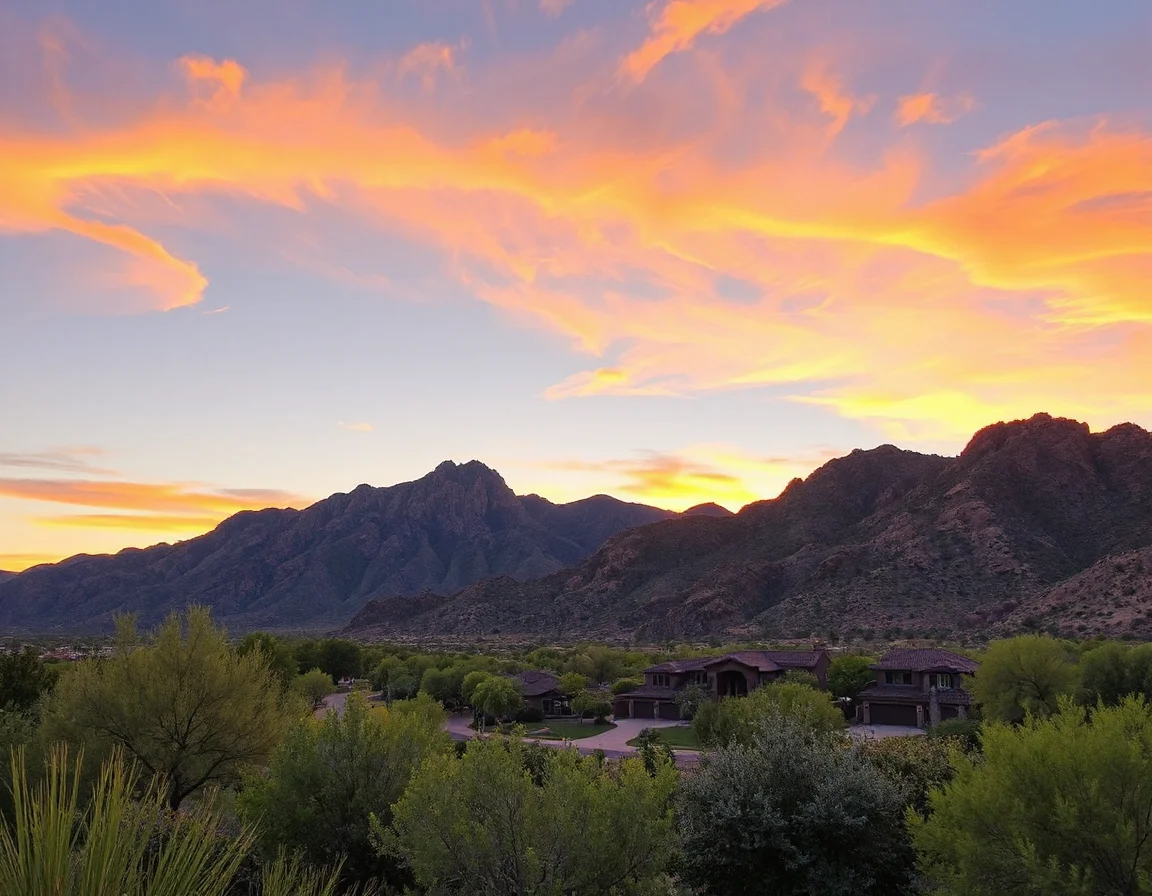
This is where local guidance becomes especially useful. A buyer comparing a renovated Scottsdale property, a character home in Phoenix, and a custom Paradise Valley residence is not making a simple apples-to-apples decision. The value drivers are different. Lot orientation, mountain views, architectural pedigree, renovation quality, and even how a home is staged for listing can influence how quickly it sells and how strongly it competes. For sellers, that means preparation matters. For buyers, it means understanding where flexibility can create opportunity.
Working with an agent who understands the greater Phoenix metro can help narrow the field quickly. HomeSmart agent Gina Jafari brings personalized service for both buyers and sellers, along with market insight rooted in Scottsdale and the surrounding Valley. Her residential focus, combined with Certified Home Stager knowledge, can be especially helpful when evaluating a home’s presentation, improvement potential, and market positioning. Whether you are trying to decide between a lock-and-leave condo, an updated single-story home, or a custom property with more land, a clear strategy makes the search far more productive.
The Right Fit Depends on Your Priorities, Not the Headline
Scottsdale, Phoenix, and Paradise Valley each offer a compelling version of desert living, but they do so in very different ways. Scottsdale shines for buyers seeking refined amenities, recreation, and a broad luxury-to-mainstream housing mix. Phoenix offers scale, diversity of neighborhoods, and flexibility across budgets and property types. Paradise Valley stands out for privacy, prestige, and distinctive estate living. The right move is the one that aligns with how you want to spend your mornings, evenings, weekends, and years ahead. When those details come into focus, the right address usually does too.