
Tempe Without the Guesswork: A Relocator's Map to Daily Life
Tempe Without the Guesswork: A Relocator's Map to Daily Life
Moving to a new city always sounds exciting until the practical questions show up. Where do you grab groceries on a weeknight? Which areas make commuting easier? What does a Saturday actually feel like once the boxes are unpacked? In Tempe, the answers are refreshingly concrete. This is a city where university energy, business growth, lakefront recreation, and established residential pockets all sit close together, creating a daily rhythm that feels accessible rather than overwhelming.

One of Tempe's biggest advantages is how easy it is to understand the layout. Tempe Town Lake forms a natural landmark near the heart of the city, and from there, major corridors like Mill Avenue, Rural Road, Broadway Road, and the Loop 101 help orient newcomers quickly. Arizona State University adds activity and visibility to central areas, while employment centers in and around the greater Phoenix metro make Tempe a practical launch point for people who need access to multiple parts of the Valley. Light rail service also gives residents another transportation option for reaching nearby destinations without relying on a car for every errand or event.
Daily life here often revolves around convenience. Many residents appreciate having coffee spots, fitness studios, casual dining, entertainment venues, and everyday services within a short drive or walk, depending on the neighborhood. Tempe Marketplace and other retail clusters make routine shopping simple, while local parks and multi-use paths offer room to get outside before work or after sunset. Along the lake, paths and open views create a change of pace from the desert grid, and that mix of urban accessibility and outdoor breathing room is part of what keeps Tempe consistently appealing.
Housing in Tempe comes with variety, which matters for relocators trying to match a home to their schedule and budget rather than a generic checklist. Some areas feature ranch-style properties on established lots, others offer low-maintenance townhomes and condos near activity hubs, and newer options can provide updated finishes and lock-and-leave convenience. Buyers often weigh proximity to campus, transportation routes, and employment centers against lot size, architectural style, and renovation needs. For sellers, presentation can make a meaningful difference, and that is where thoughtful staging and market positioning become especially valuable in a competitive metro environment.
How Tempe Feels Week to Week
What makes Tempe easy to settle into is its rhythm. Weekdays can be highly efficient: commute, errands, exercise, dinner, repeat. But there is enough built-in variety that the city does not feel purely functional. A quick walk near the lake, an evening performance, a community event, or time spent exploring neighborhood trails can turn an ordinary Tuesday into something more memorable. The city blends academic energy with established local routines, so newcomers often find both activity and predictability in the same place.
Dining is another strong part of the local picture. Instead of relying on one single district, Tempe offers a range of options spread across the city, from casual patios and quick lunch stops to more polished dinner destinations. Nearby access to Scottsdale, Phoenix, and Chandler also expands the map without requiring a major day trip. For someone relocating from out of state, that regional connectivity matters. You are not choosing just one municipal boundary; you are choosing how easily your day can flow across the broader metro.

Recreation adds another layer to the city’s appeal. Tempe Town Lake supports walking, running, and paddle-based activity, while Papago Park and nearby desert preserves provide memorable scenery and trail access. Golf courses, fitness clubs, recreation centers, and neighborhood parks are easy to incorporate into a routine. This is useful not just for leisure, but for understanding how a place supports everyday habits. Relocators often ask whether a city is enjoyable only on paper. In Tempe, the answer tends to be found in the practical overlap of work access, outdoor time, and simple amenities that are close at hand.
For households researching schools, the process should always involve reviewing current public, charter, and private options directly, along with attendance boundaries and program offerings, since those details can change. Tempe and the surrounding communities provide a range of educational choices, and many buyers look carefully at commute patterns and neighborhood location alongside school research to build a clearer picture of day-to-day logistics. Focusing on verified information, travel time, and housing goals can make the search more productive than relying on assumptions.
What Relocators Should Watch in the Housing Market
Tempe real estate tends to attract attention because the city checks several boxes at once: central location, access to major employers, recreation, and a housing mix that includes both longtime neighborhoods and more contemporary options. That combination can create competition, especially for homes that are well-prepared and accurately priced. Buyers benefit from understanding not just list prices, but condition, concessions, neighborhood differences, and how quickly inventory is moving in a given segment. A home a few minutes farther from a major activity district may offer a noticeably different balance of space, updates, and monthly costs.
Sellers, meanwhile, often gain an advantage by treating marketing as more than a photo upload and a yard sign. Clear preparation, thoughtful staging, and a pricing strategy grounded in current market data can shape how quickly a property attracts interest. Gina Jafari of HomeSmart brings personalized service, market insight across Scottsdale and the greater Phoenix metro, and residential expertise throughout the Valley of the Sun, all of which can help clients sort through Tempe decisions with more confidence. Her Certified Home Stager background is especially useful when sellers want to present a property in a way that highlights layout, light, and functionality.
For buyers entering the area, local guidance also helps turn broad impressions into specific decisions. Tempe is not one-note. One pocket may feel more connected to lake activity, another more convenient for freeway access, and another more rooted in an established residential setting. Knowing how those differences affect commute times, maintenance expectations, and resale potential is often what reduces guesswork the most. A relocation becomes easier when the conversation moves from “What is Tempe like?” to “Which part of Tempe fits the way I actually live?”
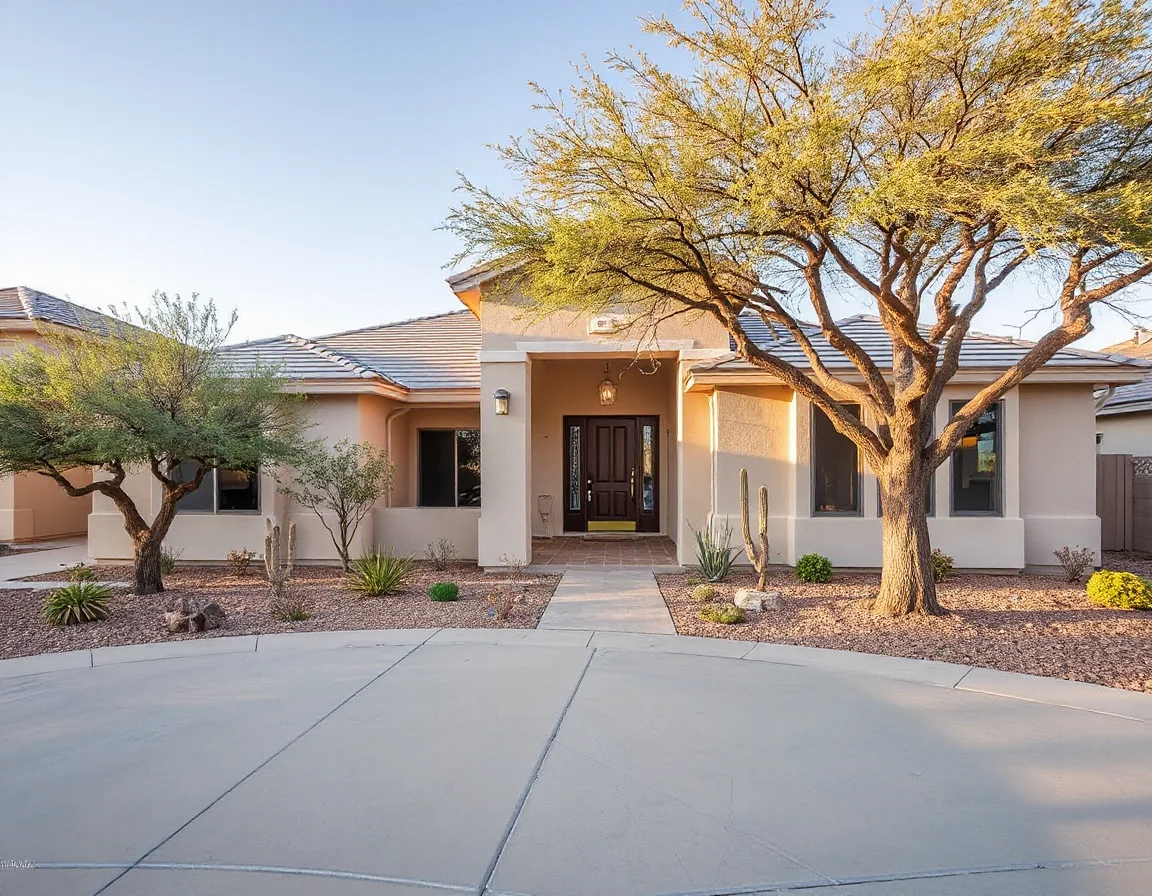
In the end, Tempe works well for people who want a city that is active, connected, and straightforward to navigate. It offers recognizable landmarks, useful transportation links, outdoor access, varied housing, and close ties to the rest of metro Phoenix. If you are planning a move and want clarity instead of clutter, a focused look at daily patterns, neighborhood trade-offs, and current market conditions can make all the difference. With the right guidance, Tempe becomes less of a question mark and more of a map you can actually use.